The book that predicted TikTok, dopamine and the end of critical thinking
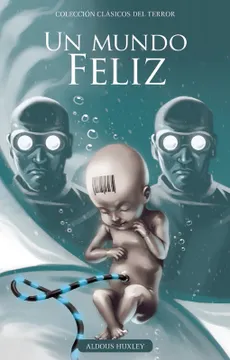
When Aldous Huxley published Brave New World in 1932, few imagined that his dystopian vision could so closely resemble the world we inhabit today. In his novel, Huxley did not warn of repressive dictatorships in the style of the 1984 Orwell, but about a society anaesthetised by pleasure, constant distraction and absolute comfort. Sound familiar?
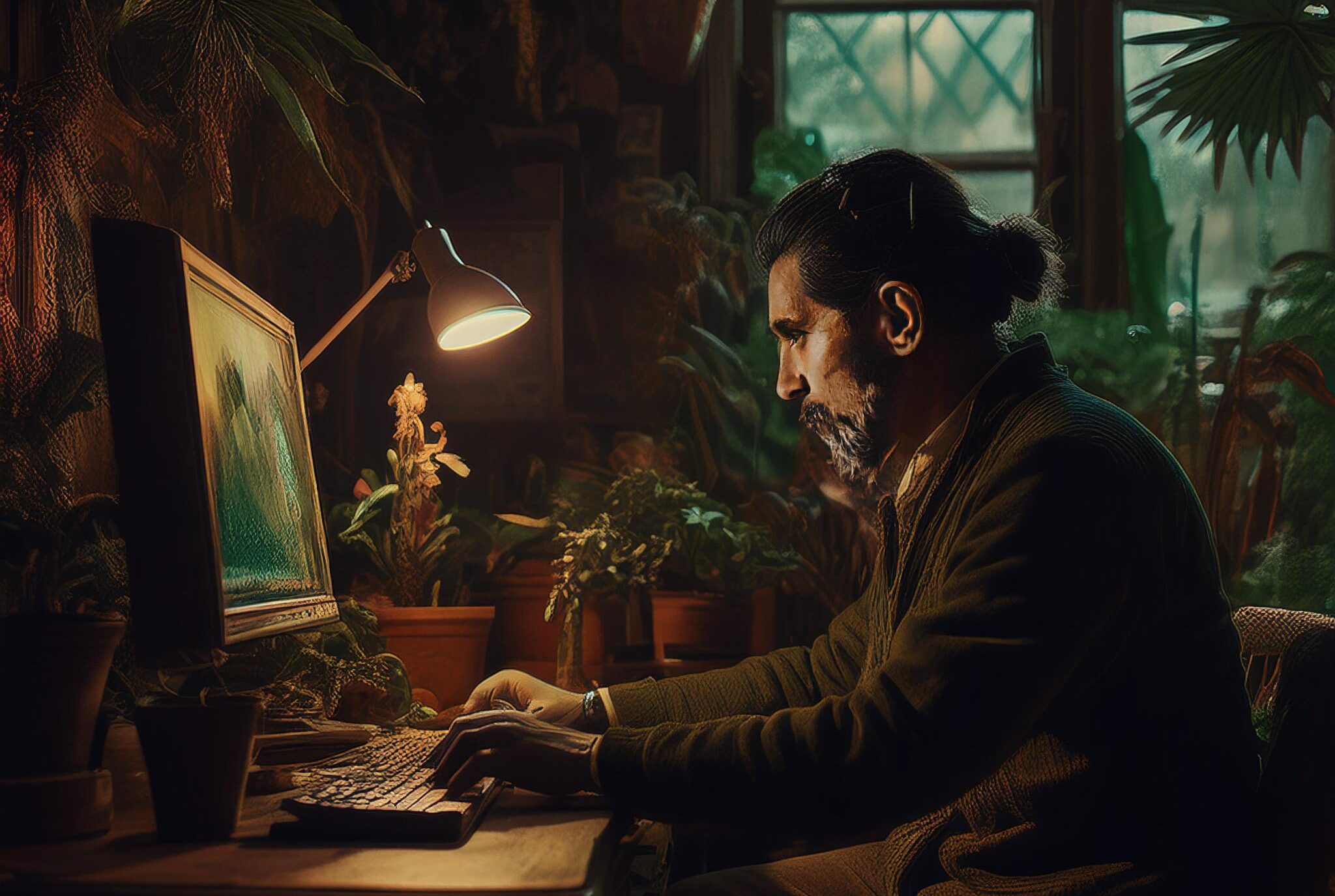
We live in an age dominated by immediate stimuli: notifications, short videos, instant rewards. The algorithm of platforms like TikTok and Instagram is designed to exploit our dopaminergic system, offering small doses of pleasure in exchange for continuous attention. It is the digital soma.
Huxley predicted our obsession with comfort... and he was right.
Neuroscientist Andrew Huberman has explained how this kind of constant consumption affects our prefrontal cortex, the brain region that regulates critical thinking and decision-making. The more we are exposed to shallow content, the less we tolerate deep cognitive effort. That is, reading an essay, holding a long conversation or dealing with boredom becomes increasingly difficult.
Huxley intuited it with chilling accuracy: “Truth cannot be interesting. Lies are always more so. In his world, people were not forced to obey, but seduced by harmless pleasures that defused their desire to question. Today, convenience is above all else: entertainment is self-generated, filters mask reality, and algorithms spare us even the trouble of choosing what to watch.
Are we already living in Brave New World?
In many ways, yes.
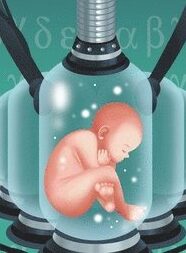
In the novel, citizens live programmed to avoid pain, to consume without thinking and to love entertainment over knowledge. Today, studies show an alarming drop in attention levels, especially among young people. According to a Microsoft report, the average attention span in 2024 will be less than 8 seconds, shorter than that of a goldfish.
Moreover, the attention economy has turned our data, habits and emotions into the most coveted commodity. TikTok, for example, collects huge volumes of information about every interaction to hone its ability to keep us hooked. The result? A dopaminergic cycle of immediate pleasure that inhibits deep reflection.
Hyperstimulation has also generated a new form of functional illiteracy: many people can read, but do not understand or retain what they read. Critical reading, a key skill for individual freedom, is in danger of extinction.
The writer Neil Postman was already warning in the 1980s that we were in the process of partying ourselves to death, a direct evolution of Huxley's Brave New World. And today, with the advent of artificial intelligence, deepfakes, infoxication and extreme personalisation of content, we face an even more complex scenario: one where the fake can be more attractive than the real, and where questioning hurts more than going with the flow.
In Huxley's own words:
“Truth suffers more from excess than from concealment”.”
What can we learn - and apply - today?
Reread Brave New World is more urgent today than ever. Not just as a warning about technology, but as a critical mirror of our digital culture. The real danger is not external oppression, but internal complacency. The problem is not TikTok itself, but the fact that we choose it again and again over any other form of deep thought or creation.
For those of us who work in the literary and cultural field, this scenario is a call to recover the value of reflection, critical reading and deceleration. Encouraging complex thought, art with content and the word as a tool for liberation is more important than ever.
Because Huxley not only predicted the end of critical thinking... but also the way to recover it. So read. Think. Switch off.
Resistance starts with reclaiming the value of deep thought, slow time and real knowledge. In an age where everything is measured in “likes” and seconds of attention, engaging with books, complex ideas and uncomfortable conversations is a revolutionary act.
Aldous Huxley didn't just write a dystopia: he wrote a warning. And maybe we still have time to heed it.
Resources and Images: